

Current Research
Current Research News Past Research Grant Application Medical Advisory Board
Diabetes Action is committed to funding promising and innovative research to prevent, treat, and cure type 1 and type 2 diabetes and their complications. The following studies are currently being funded by Diabetes Action.
Type 1 diabetes research

T cell epitope mapping and appraisal in type 1 diabetes using a new double HLA-transgenic mouse model
Researcher:
Teresa DiLorenzo, PhD
Professor
Albert Einstein College of Medicine
Bronx, NY
Purpose:
Beta cells in the islets of Langerhans in the pancreas are responsible for making insulin. This hormone is needed to regulate the use of sugar in the body. Type 1 diabetes is an autoimmune disease that occurs when the T cells of the immune system kill the beta cells and insulin cannot be made anymore. The T cells see flags on the beta cells that cause them to kill the beta cells. In some patients, type 1 diabetes occurs at an unusually early age. Dr. DiLorenzo’s lab has made a new model to study this early-onset diabetes. The flags that cause the T cells to so aggressively kill the beta cells are largely unknown. This project will identify these flags and pinpoint the most critical ones. This work will help in the understanding of why type 1 diabetes occurs. It may also suggest new strategies to prevent, slow, or reverse the disease.

A PROGRAM FOR THE CURE OF TYPE 1 DIABETES USING A GENERIC DRUG: PHASE II
Researcher:
Denise L. Faustman, MD, PhD., Associate Professor
Harvard Medical School and Director Immunobiology Laboratory
Massachusetts General Hospital
Charlestown, MA
Purpose:
Dr. Faustman’s group at MGH studies the role of innate and adaptive immunity in the progression and treatment of type 1 diabetes including the potential of the BCG vaccine as a treatment for established type 1 diabetes. The BCG vaccine is a 125-year-old generic drug originally identified for prevention of tuberculosis, but now clinical trials have shown additional benefits extend to those with type 1 diabetes, autoimmune multiple sclerosis, and in the broad prevention of respiratory infections. In 2018 MGH demonstrated in a Phase I trial that repeat BCG vaccines could lower blood sugars from 10-18% by correcting an underlying defect in metabolism of white blood cells. This benefit was seen even in those who have had type 1 diabetes for decades. In 2022 and 2024 MGH demonstrated that BCG protects type 1 diabetics from infection and symptoms of COVID-19. In 2026 results of a 150 patient Phase II double blinded BCG Phase II clinical trial will be published. Two large pediatric BCG type 1 diabetes trials are currently enrolling. To date over 500 type 1 diabetics have or are now participating in BCG clinical trials at MGH.
A novel nanotechnology platform for localized therapies to enhance islet beta-cells replacement and avoid immune rejection
Researcher:
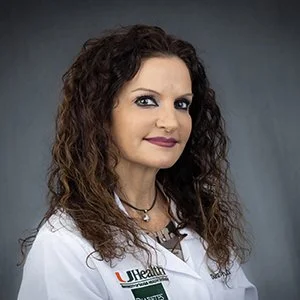
Diana Velluto, PhD
Research Assistant Professor
University of Miami Miller School of Medicine
Miami, FL
Purpose:
Despite advances, pancreatic islet transplantation is not yet applicable to all the patients because of the need of chronic systemic immunosuppression to prevent rejection. Immunosuppression is unavoidably accompanied by serious side effects including negative effects on transplanted islets. The goal of this research is to address the problem of systemic chronic immunosuppression and extend the applicability of islet transplantation to anyone with type 1 diabetes. Dr. Velluto has developed novel biocompatible and biodegradable nanomedicines, known as Drug-Integrating-Amphiphilic-Nano-Assemblies (DIANAs), useful for many medical needs, including localized immunotherapies that can specifically protect the transplanted islets without damaging other organs. This study aims to demonstrate the ability of these nanomedicines to enhance islet beta-cell transplantation and, finally, to select, among those, the best candidate for clinical use.

Testing A Novel Immunotherapy For Treating Type-1 Diabetes
Researcher:
Kai Xu, PhD
Associate Professor
University of Maryland, Baltimore
Baltimore, MD
Purpose:
Kidney failure is a life-threatening condition, and Type-1 diabetes (T1D) can cause kidney failure. (Na++K+)-ATPase (NKA) is a key protein critical to kidney function. Studies have shown that a significant reduction of NKA activity is strongly associated with T1D and T1D-induced kidney failure, indicating that dysfunction of NKA participates in the mechanisms of T1D and T1D-induced kidney failure. Dr. Xu has discovered NKA activators and developed an NKA activator-based immunotherapy. To bridge these novel scientific discoveries and potential application for treating T1D and T1Dinduced kidney failure in human medicine, this study will test the endogenous NKA activator-based innovative immunotherapy in T1D animal model BBDP rats. The success of these investigations may ensure that promising findings from basic research can be effectively translated into interventions that can benefit human health.

Induction of haploidentical mixed chimerism as a platform for understanding immune tolerance breakdown and reset in autoimmune nonobese diabetic mice
Researcher:
Defu Zeng, PhD
Professor
Beckman Research Institute of the City of Hope
Duarte, CA
Purpose:
Type 1 diabetes (T1D) results from the autoimmune destruction of insulin‐producing β cells. The pathogenesis of T1D is associated with genetic risk and activation of autoreactive immune cells, but the earliest point for immune cell activation remains unknown. Nonobese diabetic (NOD) mice remain the best preclinical model. While the injection of donor bone marrow (BM) alone induced mixed chimerism (MC) in non‐autoimmune‐prone newborn mice, Dr. Zeng found BM injection alone did not induce MC in auto immune‐prone newborn NOD mice. The addition of CD4+ T‐depleted splenic cells was required, similar to conditioned adult NOD mice, suggesting that immune tolerance breakdown in autoimmune‐prone NOD mice occurs at birth. Induction of MC in newborn NOD mice prevented T1D. This study will examine the cellular and molecular mechanisms of how immune activation starts in newborns and how induction of MC in newborns re‐establishes immune tolerance to provide novel insights into T1D pathogenesis.
type 2 diabetes research

Inflammatory contribution to weight cycling-accelerated diabetes risk
Researcher:
Heather Caslin, PhD
Assistant Professor
University of Houston
Houston, TX
Purpose:
For those with obesity, weight loss is hard to do and even harder to maintain. Sadly, weight regain is common and worsens the risk of diabetes and heart disease. Understanding how weight cycling leads to diabetes could better help patients that have or will weight cycle. Dr. Caslin’s lab has found that diet-induced weight cycling induces a specific form of immune memory in adipose immune cells in the fat. This memory increases inflammation and correlates with diabetes risk following weight regain. In this study, Dr. Caslin aims to answer two questions: 1. Does macrophage immune memory directly worsen diabetes risk? 2. Does weight loss with metformin or semaglutide reduce inflammation or diabetes risk upon weight regain? The proposed work will help us identify how weight cycling worsens diabetes risk in order to identify novel drug targets and interventions to reduce diabetes development.

Dietary pectin supplementation for protection against diabetes and obesity in mothers and offspring
Researcher:
Prasanth Chelikani, PhD
Professor
Texas Tech University
Lubbock, TX
Purpose:
Obesity and diabetes during pregnancy can result in transmission of these diseases to future generations. The consumption of diets high in fibers could potentially reverse such adverse effects but there is little evidence to support this claim. Dr. Chelikani’s goal is to gain a better understanding of how feeding fiber during pregnancy protects mothers and her offspring against obesity and glucose intolerance. First, Dr. Chelikani’s lab will use rat models to study whether feeding a pectin fiber to obese and diabetic pregnant rats prevents weight gain, improves control of diabetes, and increases healthy gut bacteria in mothers. Next, they will study whether offspring from pectin fed mothers are protected from obesity and diabetes, and whether such benefits are associated with greater feeling of fullness after a meal. This project will provide important information for developing novel pectin or fruit-based strategies that can prevent metabolic diseases in mothers and offspring.

Understanding alpha-cell endocrine plasticity for diabetes treatment
Researcher:
Bethany Cummings, PhD, DVM
Associate Professor
University of California, Davis
Davis, CA
Purpose:
Pancreatic islet dysfunction is central to type 2 diabetes mellitus pathogenesis and consists of both alpha-cell and beta-cell dysfunction. It is increasingly evident that alpha-cells play an important role in promoting insulin secretion from beta-cells. Efforts to understand the role of the alpha-cell in the regulation of islet function have revealed functionally distinct alpha cell subpopulations, with some alpha-cells producing GLP-1 instead of glucagon. Glucagon is a key driver of diabetes whereas GLP-1 improves blood glucose regulation. Therefore, the production of GLP-1 by alpha-cells is an attractive therapeutic target. Dr. Cummings has found that both metabolic stress and treatment with a GLP-1 receptor agonist increases alpha-cell GLP-1 production. This project will study dietary and pharmacologic induction of alpha-cell GLP-1 production to define key aspects of GLP-1+ alpha-cell biology, providing the foundation for strategies to stimulate alpha-cell GLP-1 production for diabetes treatment.

Partnering with Hispanic/Latinx Communities to Advance Digital Storytelling Interventions to Address Type 2 Diabetes Disparities and Move Toward Tailored Systems of Care
Researcher:
Abby Lohr, PhD
Assistant Professor
Mayo Clinic
Minneapolis, MN
Purpose:
Hispanic/Latinx adults have higher rates of type 2 diabetes and its complications compared to non-Hispanic White adults. They also face challenges in accessing diabetes self-management programs. To address these issues, culturally tailored interventions are needed. One effective method is digital storytelling, where individuals share their experiences with diabetes through videos. This approach has been shown to improve knowledge, encourage behavior changes, and enhance health outcomes, such as lowering blood sugar levels. However, the best ways to deliver these interventions are still unclear. Dr. Lohr aims to test different delivery methods in a clinic setting with Hispanic/Latinx patients. Her goal is to find the most effective strategies and use the findings to develop a larger study. Dr. Lohr is part of Rochester Healthy Community Partnership, a 21-year community-engaged partnership focused on leveraging research to achieve health equity.
An unprecedented strategy to tackle beta cell dysfunction
Researcher:
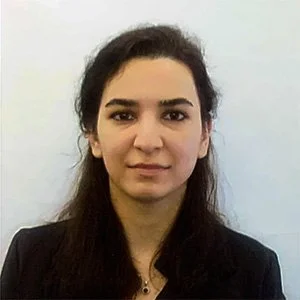
Fahimeh Varzideh, PhD
Assistant Professor
CUNY School of Medicine
New York, NY
Purpose:
Type 2 diabetes (T2D) is a growing health crisis that affects millions of people and increases the risk of heart disease. In T2D, the pancreas struggles to produce enough insulin, a hormone that controls blood sugar. This project explores how certain proteins, called IP3 receptors, inside insulin-producing cells (beta-cells) may contribute to this problem. These receptors help regulate calcium, which is essential for insulin release and cell energy. Dr. Varzideh’s lab has developed a unique mouse model that lacks these receptors specifically in beta-cells, allowing them to study how the absence of these proteins affects blood sugar control, insulin release, and cell health. Early results suggest that removing these receptors improves insulin function and protects cells from damage. By uncovering how these receptors influence beta cell function and survival, this project could reveal new ways to prevent or treat T2D and improve the lives of people living with the disease.